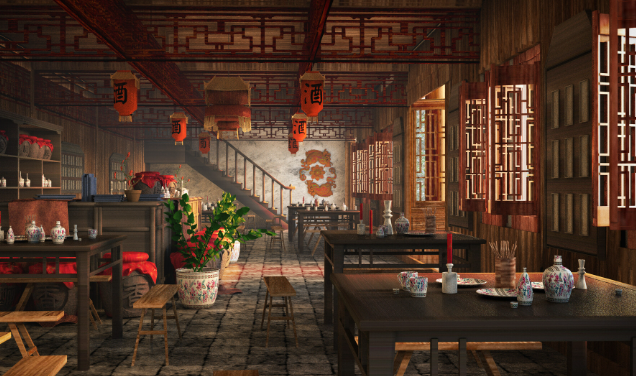
Chinese restaurant dining can bring fresh energy to an ordinary meal through bold flavors, varied textures, regional recipes, and inviting ways to share food. A table does not need elaborate arrangements to feel exciting when it includes fragrant dumplings, handmade noodles, roasted meats, seafood, vegetables, and aromatic sauces. Chinese cuisine www.newhongkongchineserestaurant.com creates variety through contrasts, pairing spicy seasonings with gentle ingredients, crisp textures with tender foods, and rich sauces with fresh vegetables. These combinations give diners plenty of opportunities to discover something new without abandoning familiar favorites. Shared plates also make the experience more social, allowing everyone to taste different dishes and exchange opinions along the way. Whether the occasion involves a quick lunch, a relaxed dinner, or a gathering with friends, thoughtful menu choices can add energy and personality to every meal.
Start With an Unexpected Dish
Trying one unfamiliar dish can immediately change the rhythm of a familiar restaurant visit. Diners might choose a regional specialty, a different dumpling style, an unusual vegetable preparation, or a seafood dish they have never ordered. The rest of the meal can include trusted favorites, creating a comfortable balance between familiarity and discovery. This approach removes the pressure to make every selection adventurous. One new dish can provide enough novelty to make the entire table feel different. Over time, these small experiments can reveal new favorites and encourage diners to explore more of the menu.
Let Dumplings Lead the Way
Dumplings offer plenty of variety in a compact format. Steamed, boiled, pan-fried, and soup-filled versions can create different textures even when they use similar fillings. Pork, shrimp, beef, mushrooms, and vegetables provide additional flavor options. Dipping sauces can introduce vinegar, soy, sesame, chili, or sweet notes. Guests can share several varieties and compare their differences. A crisp-bottomed dumpling can provide a satisfying contrast to a delicate steamed version, while a spicy sauce can completely change the character of a mild filling. This flexibility makes dumplings ideal for adding a little excitement to the table.
Give Noodles a Fresh Direction
Noodles can feel familiar while still offering countless variations. Chinese restaurants may serve them in clear broths, rich soups, savory sauces, stir-fries, or spicy preparations. Handmade noodles can provide a firm, chewy texture, while thin noodles may work better with lighter sauces and broths. Toppings such as beef, pork, shrimp, mushrooms, vegetables, and scallions create further combinations. Diners can keep their preferred protein while choosing a different noodle preparation. This small adjustment can transform a routine order into something noticeably more interesting.
Add the Depth of Roasted Meats
Roasted meats can give a shared table a rich and aromatic centerpiece. Roast duck and char siu offer flavorful surfaces with tender interiors, creating a contrast that keeps every bite interesting. Their richness pairs well with steamed rice, noodles, vegetables, and lighter soups. Sharing roasted meat also lets diners enjoy smaller portions while exploring several other dishes. Guests who usually prefer stir-fried food can use roasted specialties to experience a different cooking method. The aroma alone can add a sense of occasion when the dish arrives at the table.
Explore Fresh Seafood
Seafood can add freshness and delicate flavors to a meal filled with richer dishes. Fish, shrimp, squid, and shellfish can receive different treatments, including steaming, stir-frying, braising, and roasting. Steamed fish with ginger and scallions can highlight natural flavor, while garlic and chili can create a stronger profile. Shrimp can pair naturally with savory sauces and aromatic ingredients. Ordering seafood alongside roasted meat or spicy noodles creates useful contrast. Diners can also compare preparation methods and notice how cooking technique affects texture.
Make Vegetables Part of the Spotlight
Vegetables can add color, freshness, and unexpected depth to Chinese restaurant dining. Bok choy, Chinese broccoli, eggplant, mushrooms, snow peas, bean sprouts, and leafy greens can all receive distinctive preparations. Stir-frying can preserve crisp textures, while braising creates tenderness and deeper seasoning. Garlic, ginger, sesame, and fermented sauces can make vegetable dishes surprisingly bold. Choosing one unfamiliar vegetable preparation gives diners an easy way to explore without taking a major risk. It can also balance fried, roasted, and heavily sauced selections.
Play With Sweet and Savory
Sweet and savory combinations can give a meal an immediate sense of contrast. Roasted meats often demonstrate this balance, but similar combinations can appear in sauces, vegetables, and seafood dishes. Gentle sweetness can soften salty or savory notes, creating a rounded flavor. Tangy ingredients can further sharpen the contrast. Diners can explore these combinations by ordering one dish with a sweeter profile beside several savory selections. The differences become more noticeable when guests taste them in sequence, creating a simple but engaging flavor journey.
Bring in Some Heat
Chili can add excitement without becoming the entire focus of a dish. Fresh chilies, dried chilies, chili oil, and fermented chili seasonings each provide different forms of heat and aroma. Chinese cooking often combines chili with garlic, vinegar, sesame, or Sichuan peppercorns, creating complexity beyond simple spiciness. Diners can choose a level of heat that suits the group and balance stronger dishes with mild rice or vegetables. This approach lets everyone enjoy the energy of spicy food without allowing it to overwhelm the entire meal.
Explore Aromatic Ingredients
Aromatics can give dishes a distinctive personality even when the main ingredients remain familiar. Ginger, garlic, scallions, star anise, sesame, and Sichuan peppercorns can contribute fragrance and depth. Their impact often becomes noticeable before the first bite because aroma plays such an important role in the dining experience. Diners can compare dishes that use different aromatic combinations and observe how each changes the final flavor. This kind of exploration makes a meal more interesting without requiring particularly unusual ingredients.
Experiment With Fermented Flavors
Fermented ingredients can introduce earthy, savory, salty, and tangy notes. Fermented bean pastes, black beans, and preserved vegetables can add considerable depth to sauces and braised dishes. Cooks often balance their intensity with fresh vegetables, tofu, noodles, meat, or seafood. Diners who have never tried these flavors can begin with a dish that combines them with familiar ingredients. The result can reveal a completely different side of Chinese cooking. Fermentation also connects modern restaurant dishes with long-standing culinary traditions.
Use Texture to Create Contrast
Flavor becomes more engaging when texture changes from dish to dish. Crispy dumplings, tender roasted meat, chewy noodles, silky tofu, and crunchy vegetables can all share the same table. These contrasts prevent the meal from feeling repetitive. Cooking methods create much of this variety, with steaming, frying, roasting, braising, and wok cooking producing distinctive textures. Diners can deliberately choose dishes with different textures rather than focusing only on ingredients. A table built around contrast often feels more exciting from the first dish to the last.
Share More Than One Main Dish
Ordering several dishes to share can make the meal feel more dynamic. Instead of choosing one large entrée per person, diners can select a mixture of noodles, dumplings, meat, seafood, vegetables, and rice. Everyone can sample smaller portions and decide which combinations they prefer. Sharing also creates opportunities for conversation because guests naturally recommend dishes to one another. A person who normally avoids spicy food may discover a mild vegetable dish, while someone else may find a new favorite noodle preparation. The shared table becomes a space for culinary experimentation.
Discover Regional Specialties
Regional dishes can add a strong sense of character to Chinese restaurant dining. Sichuan cuisine can introduce chili and Sichuan peppercorns, Cantonese cooking often highlights freshness and precise preparation, while northern traditions feature noodles, dumplings, and steamed breads. Other regions contribute distinctive rice dishes, seafood, braised foods, and fermented specialties. Choosing a regional dish gives diners an opportunity to explore flavors shaped by local ingredients and culinary history. It can also make repeat restaurant visits feel different because each regional style offers another direction to explore.
Pair Food With Tea
Tea can bring another layer to the meal without competing with the food. Jasmine tea provides floral notes, green tea offers freshness, while oolong and pu-erh bring deeper aromas. Sipping tea between dishes can refresh the palate after spicy, fried, or richly seasoned foods. Sharing a pot also encourages conversation and creates a slower rhythm around the table. Diners who enjoy exploring food culture can use tea as another way to experience the traditions surrounding Chinese cuisine.
Give Soup a Place at the Table
Soup can provide warmth and balance between stronger dishes. Clear broths can highlight delicate ingredients, while richer soups may include meat, seafood, tofu, mushrooms, or vegetables. Ginger and scallions can add fragrance without overwhelming the broth. Sharing soup creates a natural pause during the meal and gives diners something soothing between richer selections. It can also introduce ingredients in a gentler form for guests who prefer subtle flavors. A good soup can quietly shape the pace and balance of the entire table.
Keep Familiar Favorites Nearby
Excitement does not require abandoning comfort. Diners can keep a trusted dish on the table while adding one or two unfamiliar selections. Fried rice, familiar noodles, or favorite dumplings can provide a dependable foundation, while regional specialties or new vegetables introduce novelty. This combination works particularly well for groups with different levels of culinary curiosity. Everyone can enjoy something familiar while still having an opportunity to explore. Over time, today’s unfamiliar dish may become tomorrow’s favorite order.
Make Every Visit Different
Chinese restaurant dining can remain exciting when diners make small changes from one visit to the next. A different noodle preparation, new dumpling filling, regional specialty, vegetable dish, or tea can alter the experience without requiring a completely new restaurant. Sharing makes experimentation easier because several people can sample each choice. These small discoveries build variety over time and prevent the menu from becoming predictable. Even familiar surroundings can feel fresh when the table contains something unexpected.
Build a Table Full of Contrast
A lively meal usually benefits from a mixture of flavors, textures, and cooking techniques. Spicy noodles can sit beside mild vegetables, roasted meat can pair with fresh seafood, and crispy dumplings can contrast with silky tofu. Rice provides a familiar foundation, while tea refreshes the palate between dishes. These combinations create movement across the meal and allow every selection to stand out. Instead of ordering several dishes that taste alike, diners can think about how each choice contributes something different.
Let the Meal Spark Curiosity
Chinese restaurant dining becomes more exciting when diners approach the menu with curiosity. Regional specialties reveal different culinary traditions, while dumplings, noodles, seafood, roasted meats, vegetables, tofu, soups, and rice offer countless combinations. Aromatic spices, fermented ingredients, sauces, and contrasting textures add even more possibilities. Sharing allows everyone to participate in the exploration, making the meal both social and flavorful. A familiar favorite can provide comfort while a single unfamiliar dish introduces the spark that changes the entire experience. Each visit can become another chance to discover a new flavor, texture, or preparation worth remembering.

